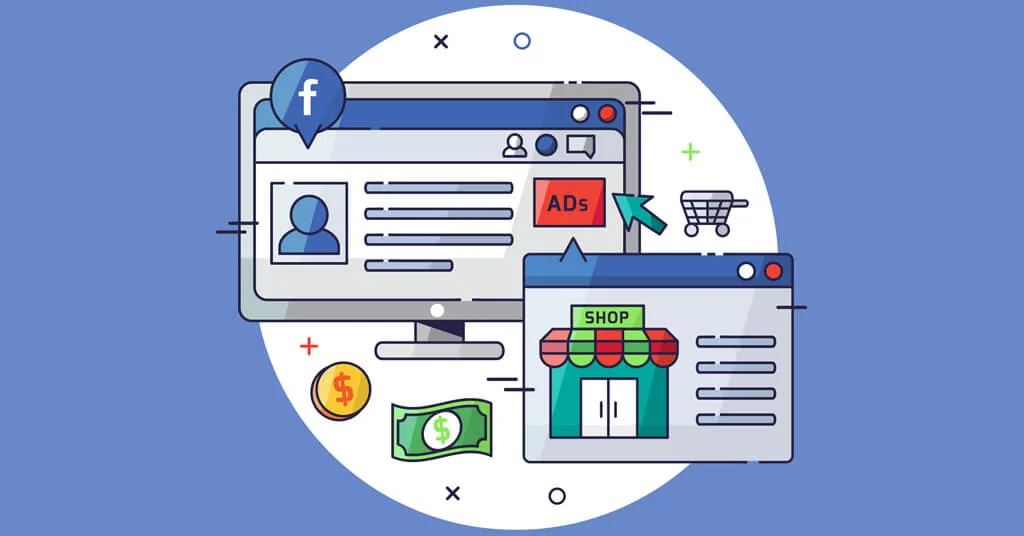

Dynamic product ads on Meta (Facebook and Instagram) in 2026 are one of the most effective solutions for online commerce. They combine automation, personalization, and intelligent targeting to show each user exactly what they have searched for, viewed, or are likely to buy.
What dynamic product ads are
These are automatic ads that use your product catalog and user behavior (views, add to cart, purchases) to create personalized messages. This way, every ad is different and shown to the right person at the right time.
The main components are:
- Product catalog (a feed with item information - images, price, link, availability)
- Meta Pixel and Conversions API (CAPI) - track user actions
- Automatic campaign (Advantage+ Catalog Ads) - shows the relevant items without manual intervention
Why DPA is not just remarketing
They combine remarketing, automation, and new customer acquisition in one campaign.
They work for:
- remarketing - show products a person has already viewed
- Broad Prospecting - reach new users similar to your customers
- Upsell - offer higher-end products
- Cross-sell - recommend related items
Benefits for the business
- Scale - display hundreds or thousands of products automatically
- Personalisation - every user sees relevant content
- Higher ROAS - better return on ad spend
- Lower CPA - lower customer acquisition costs
- Flexibility - can be used for services too, not just products
How to set them up
1. Prepare the product catalog
- Add the required fields: id, title, image_link, price, link, availability
- Include additional ones: brand, sale_price, condition, category
- Set up automatic catalog refresh every day
2. Install Pixel and CAPI
- Use both tools for maximum accuracy
- Send events: ViewContent, AddToCart, InitiateCheckout, Purchase
- Test whether they are being sent correctly via Test Events
3. Create Product Sets
- Divide products by category, margin, or availability
- Example: "New products", "Discounts", "Bestsellers"
4. Create an Advantage+ Catalog Ads campaign
- Goal: Sales
- Source: selected product catalog
- Targeting:
- Broad - to new customers
- Remarketing - to website visitors
- Exclude buyers - exclude people who have already purchased
- Formats: carousel, single image, or collection
- Add Dynamic Frames/Overlays with price, discount, or offer
When to use dynamic ads
- You have more than 10 items in the catalog
- Prices and stock levels change frequently
- You want to combine remarketing and new customer acquisition
- You offer different product or service categories
Tactics for better results
Remarketing for recently viewed products
- Show items the user has viewed
- Use text such as: "We noticed you liked {product.name}. Take another look."
Upsell and Cross-sell
- After purchase, offer complementary items (e.g. a case for the phone they bought)
- Show higher-end products to customers who have already purchased
Promotions with discounts and stock availability
- Activate campaigns with labels like "Back in stock" or "Now -15%"
- Keep price and stock data up to date
Broad Prospecting
- Let the algorithm find new customers on its own
- Use minimal filters and a larger learning budget
Optimization
- Check the data in the catalog - no missing fields or errors
- Track results - ROAS, CPA, CTR, and frequency
- Test formats and copy - carousel vs collection, copy changes
- Monitor Feedback Score - poor reviews can stop the ad
DPA for services
You can use them even if you offer services:
- Create a catalog with different packages or offers (e.g. "Apartment cleaning", "Air conditioner repair")
- Use events such as Lead or CompleteRegistration
- Advertise with personalized messages to potential customers
Example: an eyewear store
- Remarketing 1-14 days - show viewed products
- Upsell - offer higher-end frames or lenses
- Cross-sell - eyewear accessories and cases
- Broad DPA - show best-selling models to new customers
Common mistakes
- Old or incomplete catalog
- Missing Pixel or CAPI
- Using it only for remarketing
- Low image quality
- Too frequent changes to budget and audience
Conclusion
Dynamic product ads in 2026 are a key tool for increasing sales. They combine automation, data, and personalization to deliver real results without unnecessary manual work.
Create a well-prepared product catalog, use Pixel and CAPI, set up an Advantage+ campaign, and let the system do the rest. You will gain more customers, reduce costs, and achieve a higher return on investment.