Dynamic advertising selects content from a product catalogue according to the audience and campaign settings. Dynamic remarketing can feature products a person has already viewed. Effectiveness must be measured for the individual business; there is no universal 90% improvement.
The useful question is whether the catalogue, audience and website let you show a suitable product and measure an actual order. Automation reduces the need to create separate ads for every item, but it cannot fix an outdated price or a difficult checkout.
What dynamic advertising is
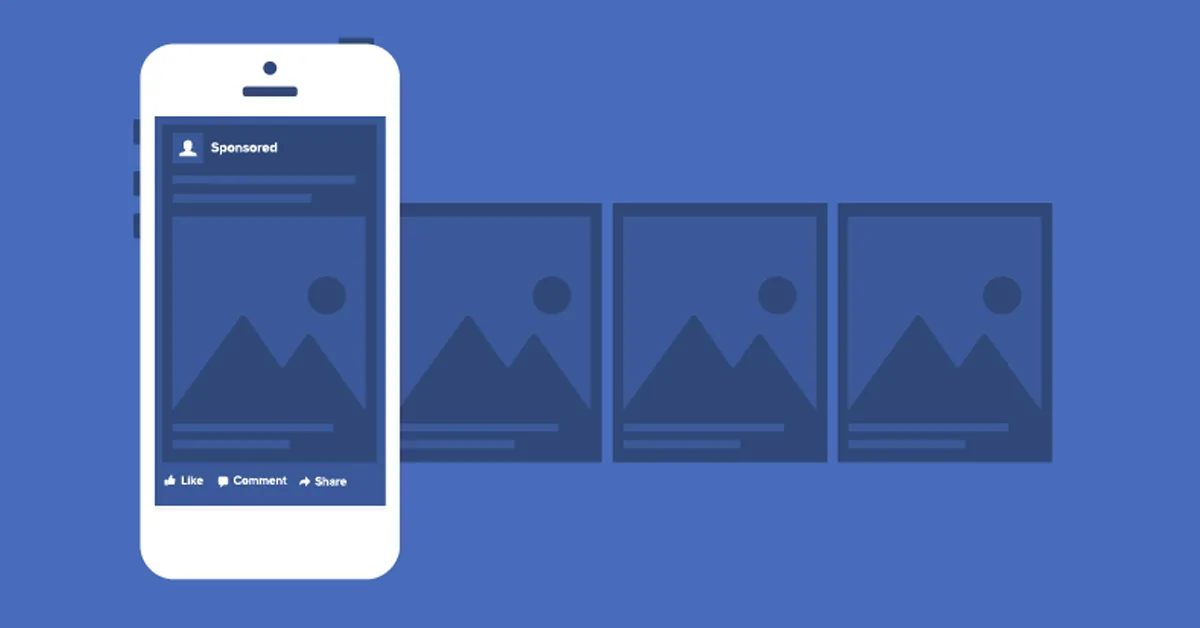
Dynamic advertising uses user behavior data, to show products and services they have already viewed or added to the cart. It is an automated system that works through integration with Facebook Pixel or Google Conversion Tracking and Product catalog.
Instead of static banners with generic messages, dynamic advertising adapts in real time and presents relevant content, which increases the chances of a purchase.
Compare campaigns under similar conditions: period, audience, budget, offer and attribution model. Clicks alone do not demonstrate effectiveness. Track cost per order, revenue, margin and cancelled orders; for enquiries, also assess their quality.
Why is dynamic advertising so effective
1. Real-time personalization
It shows products based on previous actions - viewed items, added to cart, or completed orders. The user receives the right message at the right time.
2. Precise timing and automation
Dynamic ads work when the customer is most receptive. They do not rely on random impressions, but on automated logic, based on data.
3. Higher engagement
Personalized content has an emotional impact - it creates the feeling that the ad “understands” the customer instead of pushing a product on them.
4. Assessing cost per conversion
Dynamic remarketing can bring visitors back to products they viewed. A lower cost per conversion is a goal to test, not a promised result. A small audience or excessive frequency can spend the budget without generating additional sales.
How to create an effective dynamic ad
- Integrate tracking code - Facebook Pixel or Google Enhanced Conversion Tracking.
- Create a product catalog with descriptions, images, and prices.
- Set up audiences - site visitors, people who added to cart, customers with previous purchases.
- Customize the templates - different content for different stages of the customer journey.
- Monitor the display frequency - do not exhaust the audience with overly repetitive messages.
Types of dynamic campaigns
New visitors
Do not show them products. Instead, engage them with educational content, interesting facts, or videos that introduce the brand.
Interested, but no purchase
Show products similar to those viewed, or those that customers with similar interests have already bought.
Added to cart but did not order
Use a dynamic ad with a discount or reminder. This is the moment when the customer is hesitating - encourage the decision.
After a purchase: complementary products (cross-sell)
Offer complementary products or upgraded versions of what they have already bought. Example - “If you bought a camera, offer a lens or a tripod.”
A higher-tier product (upsell)
Offer a higher-tier or more complete version when it is useful to the customer. Distinguish this scenario from recommending a complementary item.
What to avoid
- Monitor frequency and results for each audience. There is no universal number of impressions after which every customer should be excluded.
- Do not mix audiences - people who have already bought should not see ads for the same item.
- Do not launch dynamic ads without properly configured events and feed, because the algorithms will not work correctly.
The psychology behind success
Dynamic advertising uses three main cognitive triggers:
- Familiarity - shows content already seen, creating a sense of trust.
- Urgency - activates action through limited promotions or timers.
- Social proof - through reviews and popular products, reinforces the feeling of making the right choice.
Which results to measure
- Higher return on investment (ROI)
- Lower cost per acquisition (CPA)
- Better conversion and more sales
- More effective remarketing
- Greater customer loyalty
Conclusion
In the age of information overload dynamic ads are the smart way to stay relevant. They do not just show a product - they communicate with the customer on a personal level.
If you want to increase the effectiveness of your campaigns, optimize your budget, and create an automated system that works for you, request a free business analysis.
We will clarify the objective, available data and technical dependencies to propose a scope for campaign setup and measurement.
Source on how dynamic remarketing works: Google Ads Help.