In short
A niche is promising when there are people with a specific need, a reachable way to get to them, and enough margin left from the order after expenses. Likes, a popular category and a good product are useful signals, but they do not prove the store will work. Check demand and the numbers with a small test before investing a large budget.
Start with a product you can picture buying
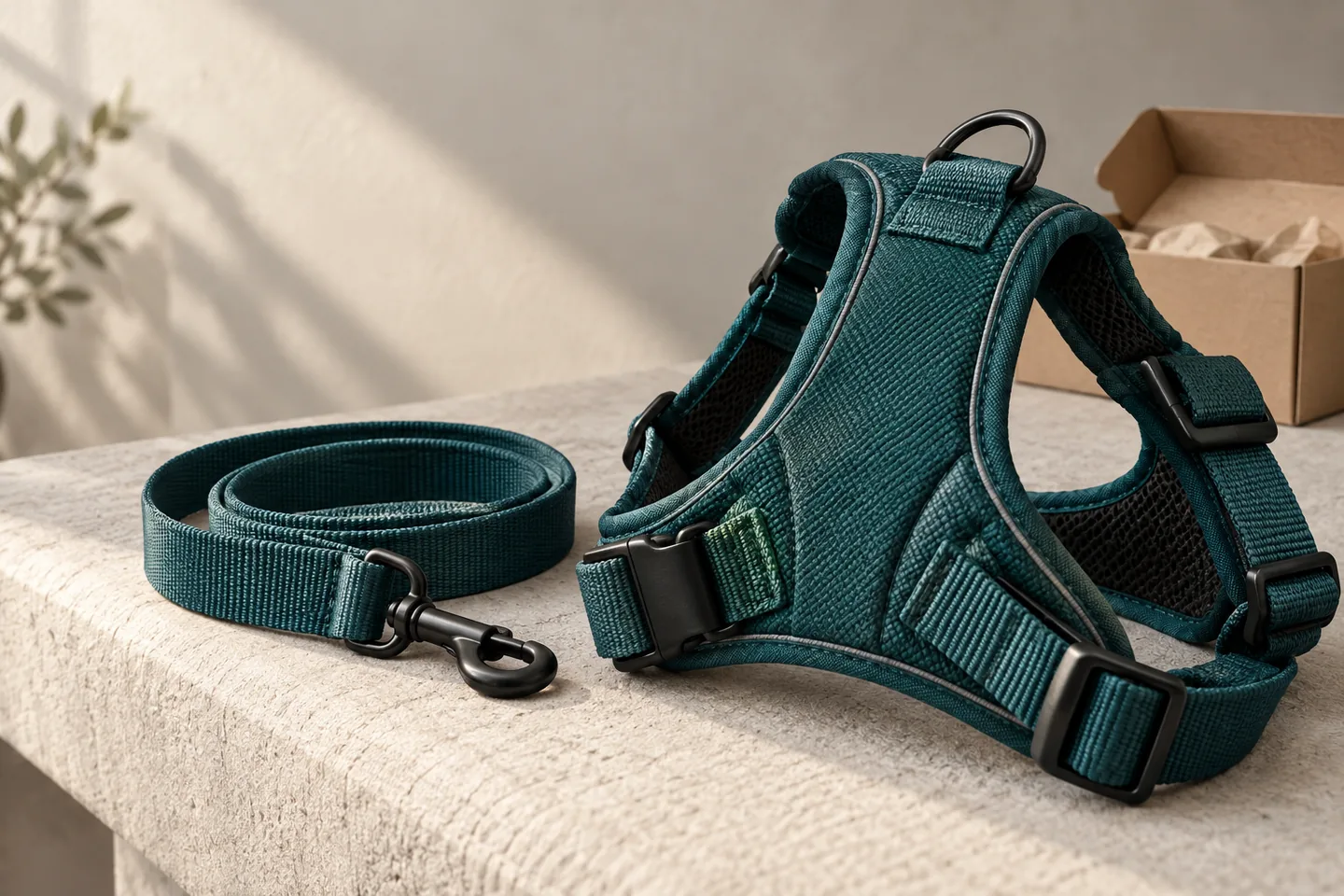
“I’ll sell pet accessories” is a category. “I’ll sell adjustable harnesses for people who travel with their dog” already gives direction. You know whom to reach out to, which problem to discuss and what the product page should show. The narrower idea can be expanded later.
Describe the first customer through their situation: what they use now, what they dislike and why they would switch products. You do not need to invent a complex profile with age, job and favorite brands. For the initial check, the reason for purchase is more useful than the broad description “women between 25 and 45 years old.”
Then formulate the offer in one sentence. What does the person get, at what approximate price and why is it suitable for them? If the explanation requires many vague words like “quality,” “innovation” and “uniqueness,” there probably still is not enough concrete difference.
Talk about the last purchase, not a future wish
The question “Would you buy this?” can easily get a polite “yes.” It is more useful to understand what the person has already done. When did they last buy a similar product? How did they choose it? What disappointed them? Did they have to return the purchase? Where did they look for information?
These conversations often reveal a problem that is not visible in competitors’ photos. For a harness, it may be uncertainty about size. For a spare part, compatibility. For a specialized food product, ingredients and delivery. This also shows you what you need to explain in the store.
Record the specific answers, including the ones that do not support the idea. If everyone says the product is good, but no one has needed it, that is a different signal from several people already looking for a solution and not finding it. Do not turn your friends into proof of a market.
Search shows interest, but not the size of the whole market
Collect the phrases people use to describe the need: product, use, size, problem, alternative. Search for them and see what results appear. Are there stores, comparisons, forums, or mainly general information? The searcher may want to buy, but may also just be researching.
Google Trends explains that the data is normalized. A value of 100 shows the highest relative interest in the selected comparison, not one hundred searches or one hundred customers. Use the tool for direction and seasonality, keeping the same region, period, and type of search.
Keyword Planner can help with ideas and approximate volumes. These estimates are not future sales. Search Console, if you already have a site, shows how your pages perform in search. It does not measure the whole market, and a lack of impressions there does not prove the niche has no interest.
Competitors are a source of questions
Open a few competitor stores and go through the product selection process. Can you understand the size and compatibility? Can you see the final price, delivery, and stock availability? Are there useful photos and answers to questions? Do not judge only by appearance. Look for where the customer has to guess.
Read the available reviews with attention to recurring specific problems. Delayed delivery, wrong size, and unclear descriptions create different opportunities. One negative comment does not describe the whole business. And the absence of reviews does not mean there are no sales.
You cannot calculate a competitor’s turnover just from the number of products or ads. But you can understand the level of information and service you need to offer. If your only advantage is a lower price, first check whether the numbers still work after delivery, returns, and customer acquisition.
One order on paper
Let’s look at a sample sale for 30 euros. For simplicity, all values are on the same basis without VAT. The numbers are chosen for the exercise, not as industry averages.
| Item | Sample amount | What to replace with your data |
|---|---|---|
| Sale | 30 € | Actual order cost |
| Goods | 12 € | Purchase and costs to your warehouse |
| Packaging | 2 € | Materials for the specific shipment |
| Delivery at your expense | 3 € | After charging the customer |
| Payment costs | 1 € | The terms of the chosen method |
| Expected return cost | 2 € | An assumption you will check |
| Advertising for one order | 5 € | Test cost |
| Remaining amount | 5 € | Before fixed costs and labor |
These five euros are not pure profit. They still need to cover the website, accounting, warehouse, processing time, and other fixed costs. If advertising costs ten euros per order instead of five, the remaining amount in the example drops to zero even before those costs.
Also create a version with a lower sale price, more expensive delivery, and more returned shipments. Not because the worst case will necessarily happen, but to see how sensitive the idea is. A small buffer in the calculation means that even a normal change can reverse the result.
A small test that gives a useful answer
Choose one product or a narrow assortment. Ensure real stock, clear pricing, delivery, and a way to serve customers. Build a strong product page with the information that was missing in conversations and with competitors. This can be a limited first version of the store, without a large catalog and expensive extras.
If you are collecting interest in a future product, make it clear that it is not yet on sale. Sign-ups for notifications and paid orders measure different things. Do not present an unavailable product as in stock just to get more convincing numbers.
Define in advance what you want to learn and what cost you can bear. For example, whether people understand the size selection, how many complete an order, and which questions they ask. The number of visits alone will not answer that. Also track cancellations, returns, and service time.
How to make a decision after the test
Break the result into three parts: is there interest in the offer, does the purchase process work, and is enough left from the order. That way you will not dismiss a good niche because of a problematic form, or mistake many clicks for a working business.
If customers buy but often return the product because of size, you probably need to change the information and the selection. If they browse and ask questions, but the price turns them away, review the offer and costs. If the ad reaches the wrong people, the result does not prove much about the product itself.
The next investment should solve a confirmed problem. Better photos, a more focused range or clearer delivery information may matter more than adding categories. Once you know what you need, use the online store budget plan to separate the first launch from later improvements.
frequently asked questions
Can I test a niche without a finished store?
Yes, through conversations with potential customers, research, and a landing page with a clearly stated future product. These signals help with the initial decision. Real purchases, delivery, and service provide a fuller check of the business model.
Does low search volume mean a bad niche?
Not necessarily. A specialized product can have a small audience and still enough order value. Access to customers, competition, and costs matter. Google search demand is only one possible channel.
How many orders are enough to decide?
There is no universal number. Single purchases show that someone is willing to pay, but they do not yet prove a sustainable result. Collect data on customer acquisition, delivery, returns, and repeat purchases under your test conditions.
What should I do if the test brings no sales?
First find where the process breaks down: the wrong audience, unclear offer, price, trust, or a problem with ordering. Change one major cause and test again with a limited budget. If the core calculation does not work, do not increase spending just because you have already invested.