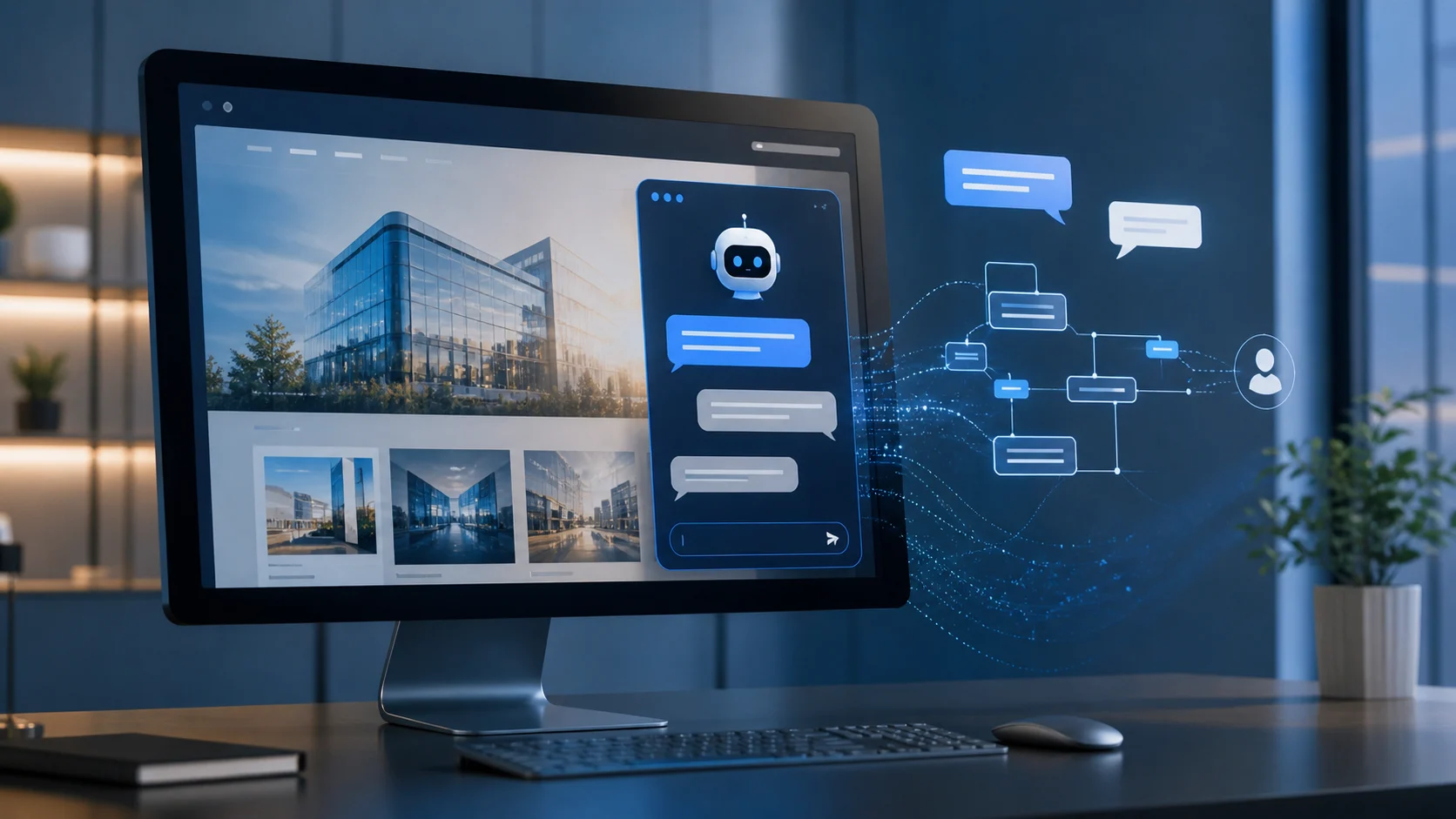
Today, chatbots are no longer just an addition to your website or page - they are a real digital assistant, who can sell, serve customers, educate, and even build long-term relationships. In 2026, the use of chatbots is a mandatory element of any marketing and communications strategy, whether you offer products or services.
Artificial intelligence has made a huge leap - modern bots now understand the context, emotion, and intent of the customer. They can analyze behavior, adapt the tone of the conversation, and guide the user toward a specific action.
If you have a business and still are not getting the most out of this technology, here are four up-to-date ideas that will help you with chatbot development in 2026.
1. Automated and personalized responses
Customers expect an instant response. Even a short automated message written in a human tone creates a sense of attention and care. The difference is that in 2026 bots no longer respond with templates, but dynamically - depending on the time, context, and user behavior.
Example:
• "Hello! Thank you for contacting us. We are currently outside working hours, but our team will reply tomorrow morning. In the meantime, would you like information about the most frequently asked questions?"
• "Thank you for writing to us! Today we are offering a special discount for customers from [city]. Would you like to activate it?"
A personalized bot can:
• recognize the customer's language and location
• offer specific services based on their interests
• collect information (email, phone, interest) without pressure
Tip: integrate your chatbot with a CRM system to save data from every conversation and build follow-up campaigns.
2. Interactive menu with intelligent navigation
The menu is no longer just a list of buttons, but a smart guidance system, which leads the customer to the desired information without unnecessary typing.
Modern chatbots can combine:
• buttons and quick replies ("See prices", "Contact the team", "Book an appointment")
• AI analysis - the bot can suggest an option on its own based on the context ("It sounds like you're looking for air conditioner repair - would you like to see prices?")
• connection to a database or API - for example, to show stock levels, available time slots, or current offers
Example:
Customer writes: "I'm interested in a cleaning subscription."
The bot replies: "Great! Would you like a quote for weekly, biweekly, or monthly cleaning?" and shows three buttons.
The menu can also include:
• frequently asked questions
• live connection with a person
• news, blog articles, and videos
• access to a calculator or a quote
The goal: minimum text, maximum action. The customer never gets lost and always has a next step.
3. Direct message campaigns and retargeting
This is a strategy that continues to deliver outstanding results in 2026 as well, but with higher efficiency thanks to AI segmentation and personalization.
When a user has interacted with your bot but has not taken the next step (has not purchased, filled out a form, or completed a booking), you can automatically send them a personalized follow-up message.
Example:
• "Hello, we noticed you didn't complete your registration. Would you like us to help you?"
• "Here is a short video explaining how the service works. After that, you can book an appointment directly."
Combined with Facebook Messenger, Instagram, or WhatsApp, this approach can increase conversions by more than 300%.
AI retargeting allows you to:
• identify when the customer was last active and send messages at the right moment
• adapt the tone based on their past interactions
• highlight the value without being intrusive
Tip: do not overdo the frequency. One relevant message at the right time is more effective than three irrelevant ones.
4. Short lesson series and automated training
This is one of the strongest and increasingly popular strategies in 2026 - the chatbot becomes a mini-teacher, which delivers value and builds trust.
Example:
• If you sell food supplements - a 5-message series "How to boost energy naturally."
• If you offer web services - a short course "How to make your website faster for Google."
• If you are a fitness coach - "7-day challenge for better shape."
Every day, the bot sends a short and useful message that can include:
• text, image, or video
• a link to an article or product
• a button for additional information or a discount
This approach:
• engages the audience long-term
• builds trust through value
• collects new subscribers
• increases sales through natural interest
Tip: automate the series with tools like ManyChat, Chatfuel, or Meta Business Suite. Use AI to adapt the content based on the user's reaction - if they click a link, the next message can be different.
How to make your chatbot effective in 2026
• Start simple. Create a basic scenario with 3-4 frequently asked questions and one main action.
• Analyze the conversations. Use the statistics to improve the logic and the content.
• Speak like a human. Avoid robotic phrases. The tone of communication is more important than the complexity of the script.
• Combine AI and real support. When the customer has a more complex question, the bot should offer connection with a person.
• Test. Small changes in the text or structure can increase engagement many times over.
Conclusion
Chatbots in 2026 are far from the idea of a simple automatic reply. They are intelligent communication systems, which unite sales, support, training, and marketing in one. A well-designed bot does not just save time - it builds connection, trust, and real value for the customer.
Start with a clear goal - whether you want to increase sales, automate support, or collect subscribers. Then build a scenario that brings usefulness and humanity.
Today's customer wants a conversation, not an ad. If your chatbot sounds like a human, understands needs, and offers real help - you're already one step ahead of the competition.